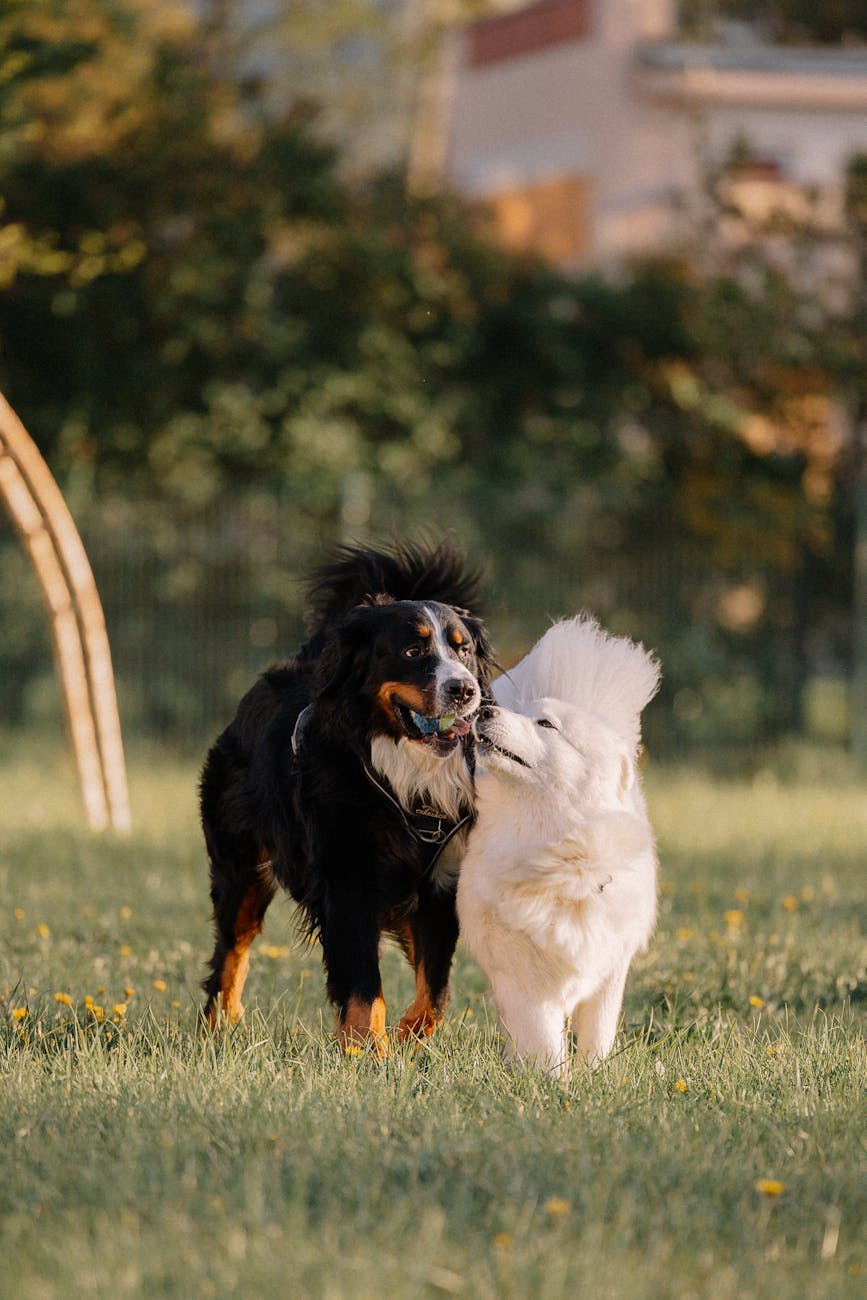
Socializing your Great Dane is one of the most important investments in their wellbeing and safety. Proper socialization creates confident, well-adjusted dogs comfortable in diverse situations and with different people and animals. Given the Great Dane’s size and strength, socialization preventing fear-based or aggressive behavior is absolutely essential for both your dog and the community.
Great Danes with poor socialization often develop anxiety, fear aggression, or destructive behaviors. Conversely, well-socialized Great Danes are genuinely happy companions who navigate the world with confidence and security. The window for optimal socialization closes around 12-16 weeks, making early exposure critical.
Understanding the Socialization Critical Period
The critical socialization period occurs between 3-12 weeks of age, with the peak window from 3-8 weeks. During this period, puppies are highly responsive to new experiences and form impressions that shape their behavior as adults. Experiences during this window have outsized impact compared to exposures after 16 weeks.
This doesn’t mean socialization stops after 12 weeks. Continued socialization through 6 months reinforces positive attitudes and confidence. However, puppies socialized during the critical period typically develop into more confident, well-adjusted adults. Conversely, puppies with limited early socialization often struggle with anxiety and fear later in life.
The breeder’s early socialization efforts significantly impact your puppy’s temperament. Reputable breeders begin socialization at 3-4 weeks by exposing litters to varied people, sounds, surfaces, and experiences. Ask your breeder about their socialization practices and what exposures your puppy has already experienced.
Exposing Your Puppy to People
Introduce your Great Dane puppy to diverse people of different ages, sizes, and appearances. Invite friends and family to your home to interact with your puppy. Allow your puppy to approach people at their own pace; don’t force interaction with nervous puppies.
Structured environments for people exposure include puppy kindergarten classes and socialization events at local dog trainers’ facilities. These settings expose puppies to children, adults, and people of various ethnicities and appearances in controlled environments. Positive interactions during these exposures build confidence.
Handle your puppy frequently and ask others to handle them as well. Touch paws, ears, mouth, and body in ways veterinarians and groomers will later. Reward calm acceptance with treats and praise. This teaches your puppy that handling is positive and safe.
Expose your puppy to children specifically, as many Great Danes later live in homes with kids. However, supervise all interactions carefully. Teach children to interact gently and respectfully with puppies, and teach puppies to remain calm around children. Early positive experiences between puppies and children prevent fear or reactivity later.
Diverse Environment Exposure
Expose your Great Dane puppy to varied environments, surfaces, sounds, and situations. Visit parks (avoiding areas where unknown dogs have been until fully vaccinated), different neighborhoods, outdoor markets, and pet-friendly businesses. Each environment presents novel stimuli that build confidence when approached positively.
Vary flooring surfaces deliberately. Many puppies raised on carpet alone develop anxiety on slippery tile, hardwood, or concrete. Expose your puppy to grass, concrete, gravel, sand, and various indoor surfaces. Reward calm walking on novel surfaces with treats and praise.
Introduce various sounds deliberately: traffic, sirens, vacuum cleaners, fireworks (at safe distance), thunderstorms, children playing, construction noises. Some puppies develop noise sensitivity if sounds are always avoided. Controlled exposure to various sounds, paired with positive association, prevents noise phobia development.
Car rides expose puppies to novel motion and environments. Start with short rides to rewarding destinations (not just the veterinarian) so your puppy associates car travel with positive experiences. Gradually extend ride duration. Many Great Danes that travel frequently as puppies become comfortable travelers.
Puppy Socialization Classes and Group Interaction
Puppy kindergarten classes provide structured socialization with other puppies in controlled environments. Attend classes at 10-12 weeks of age (once partially vaccinated) with a trainer using positive reinforcement methods exclusively. Avoid trainers using punishment or intimidation techniques that create fear rather than confidence.
In puppy kindergarten, puppies learn appropriate canine communication and bite inhibition through supervised play. They experience handling by strangers, novel toys, and varied surfaces in a safe environment. Owners learn training principles and socialization techniques from professional trainers.
Arrange informal puppy playdates with vaccinated puppies of similar age. These interactions teach appropriate play behavior and social skills. However, avoid uncontrolled meetings with large adult dogs until your puppy is fully vaccinated and has developed confidence. Overwhelming experiences with large dogs can create lasting fear.
Supervise all puppy interactions carefully. Remove your puppy if another dog becomes too rough or if your puppy becomes fearful or overwhelmed. The goal is building confidence, not tolerating negative experiences. Positive interactions outnumber negative ones significantly.
Building Confidence Through Positive Experiences
Always pair new experiences with positive associations. When introducing something novel, offer treats, praise, and play. If your puppy shows hesitation, move slower. Never force your puppy toward fearful situations; instead, allow them to approach at their own pace.
Use high-value treats (small pieces of chicken, cheese, or meat) for rewarding novel experiences. Enthusiastic praise combined with tangible rewards creates strong positive associations. When your puppy approaches something novel, reward the approaching behavior itself, not just interaction.
Create a pattern of safe novelty. Regular exposure to new environments, people, and sounds, consistently paired with positive outcomes, teaches your puppy that new experiences lead to good things. This attitude of curiosity rather than fear benefits your dog throughout their life.
Addressing Fear and Building Resilience
If your Great Dane puppy shows fear responses (freezing, backing away, attempting to hide), avoid comforting or reassuring them excessively. While comfort is appropriate, overdoing it can reinforce fearful behavior. Instead, remain calm yourself and create opportunities for your puppy to approach the scary stimulus at their own pace.
Never force fearful puppies toward fear-inducing stimuli. Flooding (forced exposure) often worsens fear and can create lasting anxiety. Instead, use desensitization and counterconditioning. Pair the fear-inducing stimulus with positive associations like treats and praise, gradually increasing proximity as comfort increases.
Some puppies are naturally more cautious than others. This isn’t inherently a problem; cautious puppies can develop into well-adjusted adults with appropriate socialization. The goal is building confidence and comfort, not forcing outgoing personalities on naturally reserved dogs.
Work with professional trainers if your puppy shows significant fearfulness. Early intervention prevents fear from developing into anxiety disorders or aggression. Professional guidance helps you navigate fear socialization effectively without exacerbating problems.
Ongoing Socialization Beyond Puppyhood
Socialization doesn’t end at 12 weeks or even 6 months. Continue exposing your adolescent and adult Great Dane to varied experiences, environments, people, and dogs throughout their life. Regular varied experiences maintain confidence and prevent regression into anxiety or fear.
Take your Great Dane on different routes during walks to vary environmental stimuli. Visit new parks and neighborhoods. Maintain dog friendships through regular meetings with other dogs. Attend dog sports or activities that continue positive experiences and environmental exposure.
Adolescent Great Danes (6-18 months) sometimes show fearfulness during this period despite earlier confident behavior. This fearfulness is normal and usually temporary. Continue exposure without forcing during this stage. The confidence built during early socialization usually returns as the dog matures.
Socialization and Preventing Behavioral Problems
Well-socialized Great Danes typically don’t develop aggression or reactivity toward people or other dogs. While some behavioral issues have genetic components, socialization significantly influences whether genetic tendencies manifest as behavioral problems.
A Great Dane’s size makes aggression particularly dangerous and often results in legal liability. Preventing aggressive behavior through appropriate socialization is far easier than addressing established aggression. Well-socialized Great Danes are safer community members and happier companions.
Dogs showing aggression or severe reactivity should see a certified professional dog trainer and possibly a veterinary behaviorist. Never attempt to train aggression out of a dog yourself; professional guidance is essential. Early intervention on behavior problems has better prognosis than waiting.
Special Considerations for Rescue and Adult Great Danes
Rescue Great Danes or adult dogs with unknown socialization histories may require slower, more careful socialization. Unknown socialization history doesn’t mean permanent problems; many rescued dogs benefit tremendously from appropriate socialization and training.
Approach rescue dog socialization similarly to puppy socialization: gradual exposure to varied experiences, people, and environments, paired with positive associations. However, respect that rescue dogs may have limits based on prior experiences. Never force interactions; allow rescue dogs to approach novelty at their own pace.
Some rescue dogs benefit from behavioral consultation to address fear or aggression. Professional guidance helps you rehabilitate and integrate rescue dogs successfully. Many rescued Great Danes become wonderfully adjusted companions despite rough starts.
FAQ
Q: Is it too late to socialize my Great Dane if they’re older than 16 weeks?
A: The critical period is optimal, but socialization benefits dogs of any age. Older puppies and adult dogs can still develop confidence through ongoing positive exposure. However, adult dogs with poor socialization may require more time and careful handling.
Q: What should I do if my Great Dane is afraid of other dogs?
A: Avoid forcing interaction with other dogs. Instead, maintain distance and reward your dog for calm behavior in the presence of other dogs. Gradually decrease distance over time as comfort increases. Professional trainer guidance helps address dog reactivity effectively.
Q: Can socialization prevent aggression in Great Danes?
A: Proper socialization significantly reduces aggression risk. However, some dogs have genetic predispositions toward aggression that require professional training and management. Socialization reduces but doesn’t guarantee the absence of aggression.
 Lake Shore Great Dane Club Blog
Leave a comment