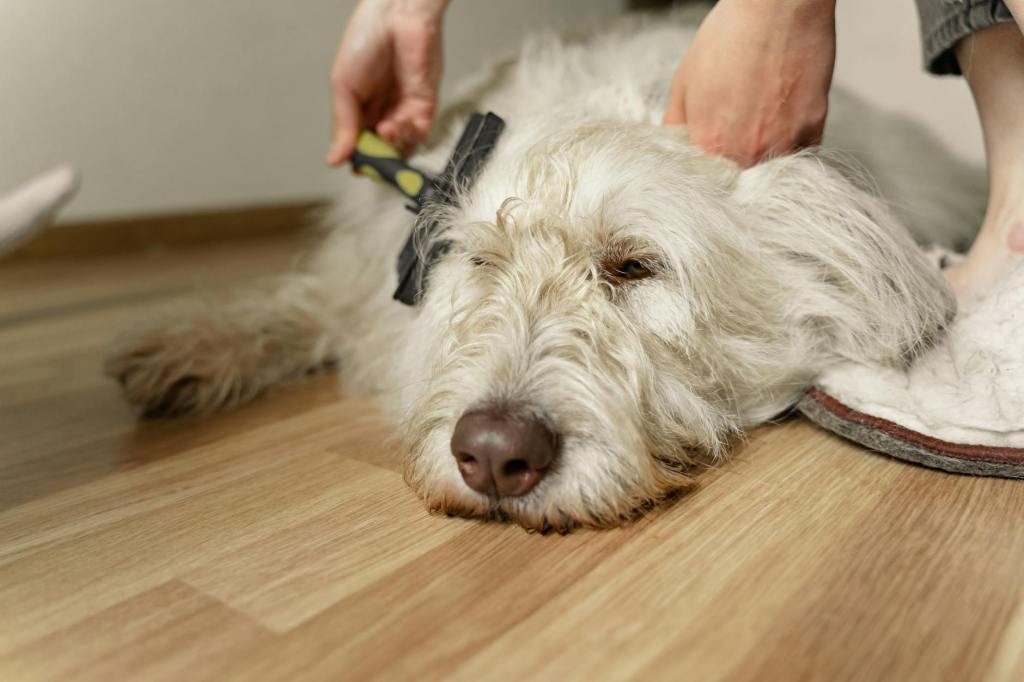
Great Dane grooming is less demanding than many breeds, but regular maintenance keeps your dog comfortable and healthy. These gentle giants have short, smooth coats that shed year-round and more heavily during seasonal transitions. Establishing a consistent grooming routine prevents matting, controls shedding, and allows you to monitor your dog’s skin health.
Great Danes have simple coat requirements compared to double-coated or long-haired breeds. However, their size means that grooming tasks require strategic approaches and proper equipment. Understanding breed-specific grooming needs helps you maintain your dog’s health and appearance efficiently.
Understanding Great Dane Coat Characteristics
Great Danes have short, dense single coats that shed constantly. This shedding is normal and manageable with regular brushing. Unlike double-coated breeds that “blow their coat” seasonally, Great Danes shed moderately year-round with increased shedding during spring and fall as they transition between seasons.
The coat lies smooth against the body and provides protection from weather and parasites. While Great Danes don’t require professional grooming like double-coated breeds, they benefit significantly from regular brushing and skin care. Their short coat makes skin conditions more visible, facilitating early detection of problems like allergies or parasites.
Great Danes come in several coat colors: fawn, brindle, black, harlequin, mantle, and blue. Regardless of color, grooming principles remain the same. All Great Danes require regular brushing, nail care, ear cleaning, and dental maintenance.
Regular Brushing and Shedding Control
Brush your Great Dane at least 2-3 times weekly using tools specifically designed for short coats. A rubber curry brush or grooming mitt with nubs works well for removing loose hair and stimulating skin circulation. Follow with a slicker brush or undercoat rake to remove deeper loose hair.
During seasonal shedding (spring and fall), increase brushing to daily sessions. This prevents excessive loose hair around your home and allows you to monitor skin health closely. Vacuuming frequently becomes necessary during shedding season—consider this a maintenance cost of Great Dane ownership.
Brushing serves purposes beyond shedding control. Regular brushing distributes natural skin oils across the coat, promoting skin health. The massage-like action of brushing improves circulation and allows you to detect any unusual lumps, bumps, or skin conditions.
Never use a wire-bristled brush, which can damage the coat and irritate skin. Avoid brushing when the coat is wet, as this can mat the hair and stress the skin. Brush on dry, clean skin for best results and comfort.
Bathing Your Great Dane
Bathe your Great Dane every 6-8 weeks or as needed. These dogs don’t require frequent bathing unless they’re visibly dirty or odorous. Overbathing can dry out skin and disrupt the natural skin pH. However, bathing removes loose hair effectively, making it an excellent time for thorough grooming.
Use warm water (not hot, which can irritate skin) and a high-quality dog shampoo formulated for sensitive or normal skin. Avoid human shampoo or harsh products that disrupt the skin barrier. If your Great Dane has skin issues, ask your veterinarian to recommend a medicated shampoo.
Bath time with a 140-pound dog requires planning. Many owners use outdoor hoses during warmer months or find professional grooming facilities with large dog bathing stations. Home bathing in a large tub or shower requires careful water management and non-slip surfaces for safety.
Wet your Great Dane thoroughly, then apply shampoo, working it into a lather. Pay special attention to ears, underarms, skin folds, and between toes where moisture and debris accumulate. Rinse thoroughly—soap residue on skin causes itching and irritation.
After bathing, wrap your Great Dane in towels and allow them to shake off excess water outside or in a tile-floored area. Use towels to dry as much as possible, then allow air drying or use a pet blow dryer on low heat if your dog tolerates it. Never use hot hair dryers, which can burn skin.
Ear Care and Infection Prevention
Great Danes’ long ears create humid environments where yeast and bacteria flourish. Regular ear cleaning prevents infections and keeps ears healthy. Check ears weekly for redness, discharge, odor, or waxy buildup.
To clean ears, use a veterinary-approved ear cleaning solution and cotton balls. Never use cotton swabs (q-tips), which push debris deeper into the ear canal. Flood the ear canal with cleaner, gently massage the base of the ear, then allow your dog to shake. Wipe away debris and dried cleaner with cotton balls.
If your Great Dane frequently shakes their head, scratches their ears, or shows signs of infection (redness, discharge, odor), consult your veterinarian. Chronic ear infections may indicate underlying allergies requiring dietary or environmental management.
Moisture trapped in ears after bathing or swimming contributes to infections. After water exposure, dry ears thoroughly with cotton balls and allow air circulation. Some owners with frequently-infected-ear dogs use preventive ear drying or maintenance cleaning products recommended by their veterinarian.
Nail Care and Paw Maintenance
Great Dane nails grow continuously and require regular trimming. Overgrown nails cause discomfort, alter gait, and create joint stress. Trim nails every 3-4 weeks or when you hear them clicking on hard floors.
Use guillotine-style nail clippers, scissor-type clippers, or a Dremel tool (rotary grinder) for nail grinding. Many owners prefer grinding because it smooths nail edges and is less likely to cause splitting. Whichever method you choose, trim or grind only the clear portion of the nail, avoiding the pink quick inside.
If you accidentally hit the quick and cause bleeding, apply styptic powder or cornstarch to stop bleeding. Don’t panic—minor bleeding stops quickly. If unsure about trimming nails yourself, your veterinarian or groomer can trim them for you.
Check paw pads for debris, cracks, or injuries. Remove any dirt, seeds, or debris caught between toes. Moisturize cracked paw pads with pet-appropriate balm. In winter, rinse paws to remove salt and ice-melting chemicals after walks, as these can irritate skin and cause paw licking.
Dental Care and Breath Health
Dental disease is extremely common in dogs and contributes to serious health problems. Begin dental care early by brushing teeth several times weekly with dog-specific toothpaste. Never use human toothpaste, which contains fluoride harmful to dogs.
Use a soft-bristled toothbrush or finger brush designed for dogs. Most dogs learn to tolerate tooth brushing if introduced positively. Make it a short, pleasant routine with praise and rewards. Even brief sessions a few times weekly provide significant benefit compared to no brushing.
Professional dental cleaning under anesthesia removes tartar buildup and assesses tooth and gum health. Your veterinarian can recommend appropriate timing based on your dog’s individual needs. Regular professional cleanings prevent tooth loss and keep your Great Dane comfortable.
Watch for signs of dental disease: bad breath, difficulty eating, excessive drooling, swollen gums, or tooth loss. These signs warrant veterinary evaluation. Untreated dental disease leads to pain, tooth loss, and potential spread of infection.
Skin Health and Condition Monitoring
Great Dane grooming provides excellent opportunities to assess skin health. During brushing, observe your dog’s skin for signs of problems: excessive redness, flaking, scabbing, discharge, or unusual odors. These signs warrant veterinary attention.
Skin allergies are common in Great Danes. Signs include excessive licking or scratching, red skin, hair loss, or recurrent ear infections. Allergies may be food-related or environmental. Work with your veterinarian to identify triggers and develop a management plan.
Maintain your Great Dane’s skin barrier by avoiding overbathing, using quality moisturizing products, and managing seasonal transitions carefully. Dry skin becomes more common in winter months. If your Great Dane’s skin appears flaky or dry, ask your veterinarian whether adding omega-3 supplements or adjusting grooming frequency would help.
Professional Grooming Services
While Great Danes don’t require the extensive professional grooming that many breeds do, professional groomers can assist with bathing large dogs and provide services like nail trimming. Choose groomers experienced with large breed dogs who understand their specific handling needs.
Many owners bathe their Great Danes at professional facilities equipped with large dog bathing stations and drying equipment. This relieves the physical demand of home bathing. Professional nail trimming ensures nails are trimmed safely and correctly.
If using professional grooming services, communicate any skin sensitivities, allergies, or behavioral concerns to your groomer. Request gentle handling and premium products if your dog has sensitive skin.
Seasonal Grooming Considerations
During seasonal shedding transitions, increase grooming frequency and intensity. Daily brushing during spring and fall significantly reduces hair around your home and helps your dog shed efficiently. Some owners have their dogs professionally “de-shedded” during heavy shedding seasons using specialized equipment.
Winter months may require increased attention to paw care due to salt and ice-melting products. Summer months increase bathing needs if your Great Dane swims or gets muddy frequently. Adjust grooming routines to match your dog’s activities and seasonal conditions.
FAQ
Q: How often should I bathe my Great Dane?
A: Bathe your Great Dane every 6-8 weeks or as needed if visibly dirty. Overbathing dries skin and causes irritation. Increase frequency only if your dog swims regularly or gets muddy frequently.
Q: What should I do about excessive shedding?
A: Regular brushing is the best shedding management. Brush at least 2-3 times weekly, increasing to daily during seasonal transitions. Professional de-shedding services can help during heavy shedding seasons. A quality diet and appropriate supplements support coat health.
Q: Can I trim my Great Dane’s nails myself?
A: Yes, with proper tools and technique. Use appropriate nail clippers or a Dremel grinder, and trim only the clear portion of the nail. If unsure, your veterinarian or groomer can trim nails safely.
 Lake Shore Great Dane Club Blog
Leave a comment