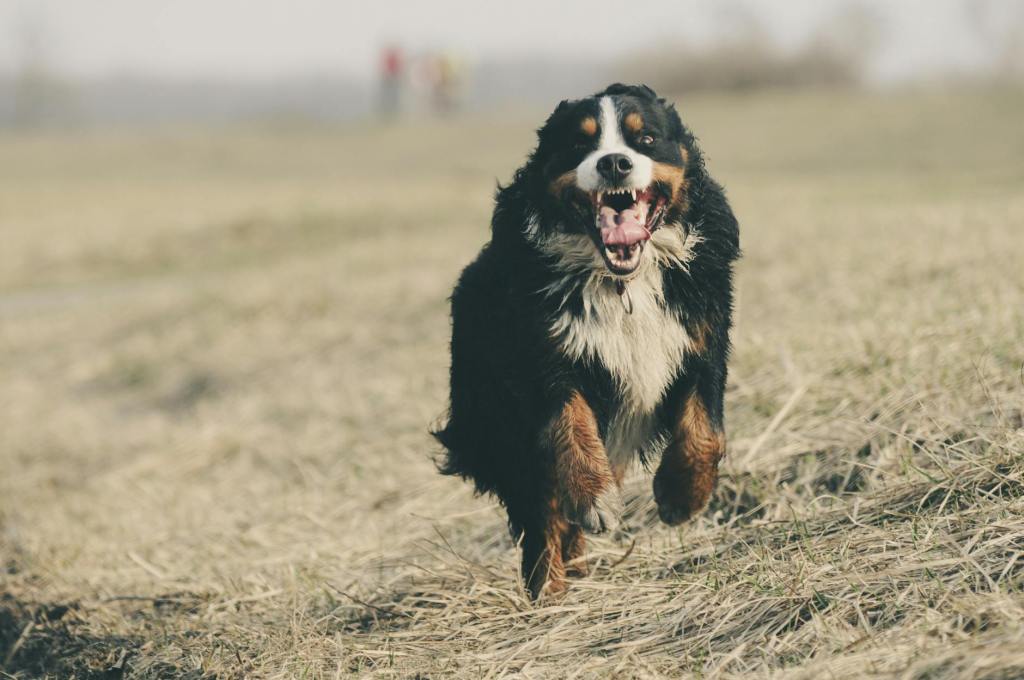
Understanding appropriate Great Dane exercise needs is essential for maintaining health and preventing joint problems. Despite their massive size, Great Danes don’t require excessive exercise. In fact, overexercise during growth years causes permanent joint damage. This comprehensive guide explores appropriate activity levels for Great Danes at every life stage.
Great Danes are surprisingly moderate in their exercise requirements compared to smaller, more energetic breeds. These gentle giants were originally bred as hunters requiring bursts of speed rather than endurance. Modern Great Danes are companion dogs that thrive on moderate activity, consistent routines, and plenty of relaxation time.
Puppy Exercise Requirements
Great Dane puppies should not engage in extensive exercise. Growing dogs’ bones, joints, and growth plates are vulnerable to damage from excessive activity. The commonly cited rule is five minutes of exercise per month of age, twice daily.
This means a three-month-old Great Dane puppy should have about 15 minutes of exercise twice daily (30 minutes total), while a six-month-old needs about 30 minutes twice daily. These brief sessions should consist of low-impact activity like free play in a safely enclosed area, short walks on soft surfaces, or swimming if your puppy tolerates water.
Avoid repetitive, impact-intensive activities during puppyhood: jogging, jumping, retrieving balls repeatedly, or climbing stairs excessively. These activities stress developing joints and growth plates, potentially causing permanent damage that manifests as arthritis in adulthood. The temptation to exercise your growing puppy extensively must be resisted for long-term health.
Free play is generally safer than forced exercise. Allow your puppy to self-regulate activity in a securely fenced yard. Puppies naturally rest when tired and resume play when recovered. Forced exercise doesn’t account for individual fatigue, potentially causing overwork.
Puppy training sessions provide mental enrichment that counts toward daily activity. Short training sessions (5-10 minutes) several times daily stimulate your puppy mentally without physical stress. Mental exercise often tires puppies more effectively than physical activity and is excellent for developing puppies.
Adult Great Dane Exercise Needs
Adult Great Danes (2-7 years) benefit from moderate, consistent exercise. Most adults thrive with 30-60 minutes of daily activity split into two sessions. However, individual variation is significant; some Great Danes are more active than others and require appropriate activity matching their personality and energy level.
Walking is ideal for adult Great Danes. Twice-daily walks of 30 minutes each provide appropriate cardiovascular exercise without excessive joint stress. Varied walking routes provide environmental enrichment and mental stimulation alongside physical activity.
Swimming is excellent for adult Great Danes, as it provides cardiovascular exercise with minimal joint stress. If your Great Dane enjoys water, regular swimming sessions provide low-impact activity. However, not all Great Danes enjoy water, so don’t force swimming if your dog seems uncomfortable.
Playing fetch or ball chasing can be appropriate if limited in duration and frequency. However, repetitive jumping and sprinting stress joints. A few throws are fine, but avoid extended sessions of repeated jumping and running. Short play sessions with occasional sprints are more appropriate than prolonged retrieving games.
Canine sports like dock diving, obedience competitions, or lure coursing provide structured, monitored exercise and mental stimulation. These activities channel energy constructively and strengthen your bond. However, ensure activities are age-appropriate and your dog is physically fit before intensive training.
Senior Great Dane Activity Adjustments
Senior Great Danes (7+ years) typically require reduced exercise due to decreased endurance, joint stiffness, and potential health conditions. However, moderate activity remains important for maintaining muscle mass and mental engagement.
Senior Great Danes often benefit from multiple shorter walks rather than longer sessions. Several 15-20 minute walks spread throughout the day may be better tolerated than one 45-minute session. Pay attention to your senior’s condition; shortness of breath, excessive panting, or reluctance to continue indicate you’ve approached their limit.
Pain from arthritis or other conditions often makes activity less enjoyable. If your senior Great Dane shows reluctance during walks, consult your veterinarian about pain management options. Appropriate pain control allows seniors to maintain beneficial activity levels without discomfort.
Low-impact activities like short walks on soft surfaces, swimming in warm water, and casual play are appropriate for seniors. Avoid activities requiring sustained jumping or running. Maintain some activity to preserve muscle mass and joint function, but adjust based on individual tolerance.
Rest and Downtime Are Essential
While exercise is important, rest is equally critical for Great Danes. Adult Great Danes sleep 10-14 hours daily, and puppies may sleep even more. This lengthy sleep is normal and healthy. Don’t feel obligated to provide constant activity; resting dogs are normal, healthy dogs.
Provide comfortable resting areas where your Great Dane can relax undisturbed. Dogs need secure, quiet spaces for quality sleep, which supports physical recovery and mental health. Establish a predictable routine with designated rest periods, especially for puppies and seniors.
Excessive activity disrupts normal sleep patterns and causes stress. A Great Dane that’s constantly stimulated develops stress-related behavioral problems. Balance activity with adequate rest for optimal health and behavior.
Environmental Considerations and Heat Management
Great Danes are sensitive to heat, particularly short-faced varieties. Avoid extensive exercise during hot weather, as these dogs are prone to overheating. Exercise during cooler morning or evening hours during summer months.
Watch for signs of heat exhaustion: excessive panting, drooling, weakness, or vomiting. If your Great Dane shows these signs, move them to cool air, provide water, and seek veterinary care. Never exercise Great Danes in direct sun or when temperatures exceed 75°F without carefully monitoring.
Provide water during and after exercise, but avoid allowing excessive water consumption immediately before or after activity, as this increases bloat risk. Wait 30-60 minutes after meals before exercising, and delay eating for 30-60 minutes after exercise.
Winter exercise is generally easier for Great Danes, as they tolerate cold better than heat. However, protect paws from ice and salt on winter roads, and allow brief outdoor time during extreme cold rather than extended exercise.
Exercise for Weight Management
Maintaining ideal body weight is critical for Great Dane health, and exercise combined with appropriate nutrition achieves this. Overweight Great Danes face increased risk of joint disease, diabetes, heart problems, and reduced lifespan.
Regular moderate exercise helps maintain lean muscle mass and prevent obesity. However, diet is equally important; you cannot exercise away an inappropriate diet. Combine appropriate portions of quality food with consistent moderate exercise for optimal weight management.
If your Great Dane is overweight, consult your veterinarian about appropriate exercise increases and dietary adjustments. Rapid weight loss can stress organs, while gradual weight loss is safer and more sustainable. Work with your veterinarian to develop a healthy weight management plan.
Preventing Exercise-Related Injuries
Avoid high-impact activities that stress developing or mature joints: jumping from vehicles, jumping on furniture, extensive stair climbing, or repetitive ball chasing. These activities, while not harmful in moderation, become problematic with frequency.
Use ramps or stairs to help Great Danes access elevated surfaces, reducing joint stress. Slippery surfaces strain joints, so provide non-slip footing in your home. Avoid playing on ice or wet surfaces where footing is uncertain.
Watch for signs of joint or limb problems: lameness, reluctance to exercise, difficulty rising or climbing stairs, or swelling. These signs warrant veterinary evaluation to rule out joint disease or injury. Early intervention prevents problems from worsening.
Allow recovery time between intense activities. If your Great Dane participates in canine sports or training, ensure adequate rest days. A dog working multiple days weekly should have at least one rest day to recover.
Mental Exercise and Enrichment
Mental exercise is often as tiring as physical activity and requires less joint stress. Puzzle toys, training sessions, scent work, and varied environments provide mental stimulation that enriches your Great Dane’s life.
Incorporate training into daily routines. Short training sessions throughout the day provide mental engagement and relationship building. Learning new commands, tricks, or canine sports keeps minds active and prevents boredom.
Provide varied experiences: different walking routes, new environments, novel toys, and interactive games. Environmental variety provides mental stimulation and prevents the boredom that leads to destructive behavior.
FAQ
Q: Can I jog with my Great Dane?
A: Most adult Great Danes aren’t appropriate jogging companions. Their size and joint structure make high-impact running stressful. However, some individuals tolerate short, slow jogs on soft surfaces. Never jog with puppies or seniors, and consider your individual dog’s condition before attempting running.
Q: How much exercise does my puppy need?
A: Follow the five-minutes-per-month-of-age rule, twice daily. A four-month-old puppy needs about 20 minutes twice daily. These sessions should consist of free play rather than forced exercise.
Q: Is my Great Dane getting enough exercise?
A: Assess your dog’s condition and behavior. Appropriately exercised dogs are lean, sleep contentedly, and maintain consistent weight. Underexercised dogs may be overweight or restless. Overexercised dogs appear exhausted. Adjust activity to match your individual dog’s needs.
 Lake Shore Great Dane Club Blog
Leave a comment