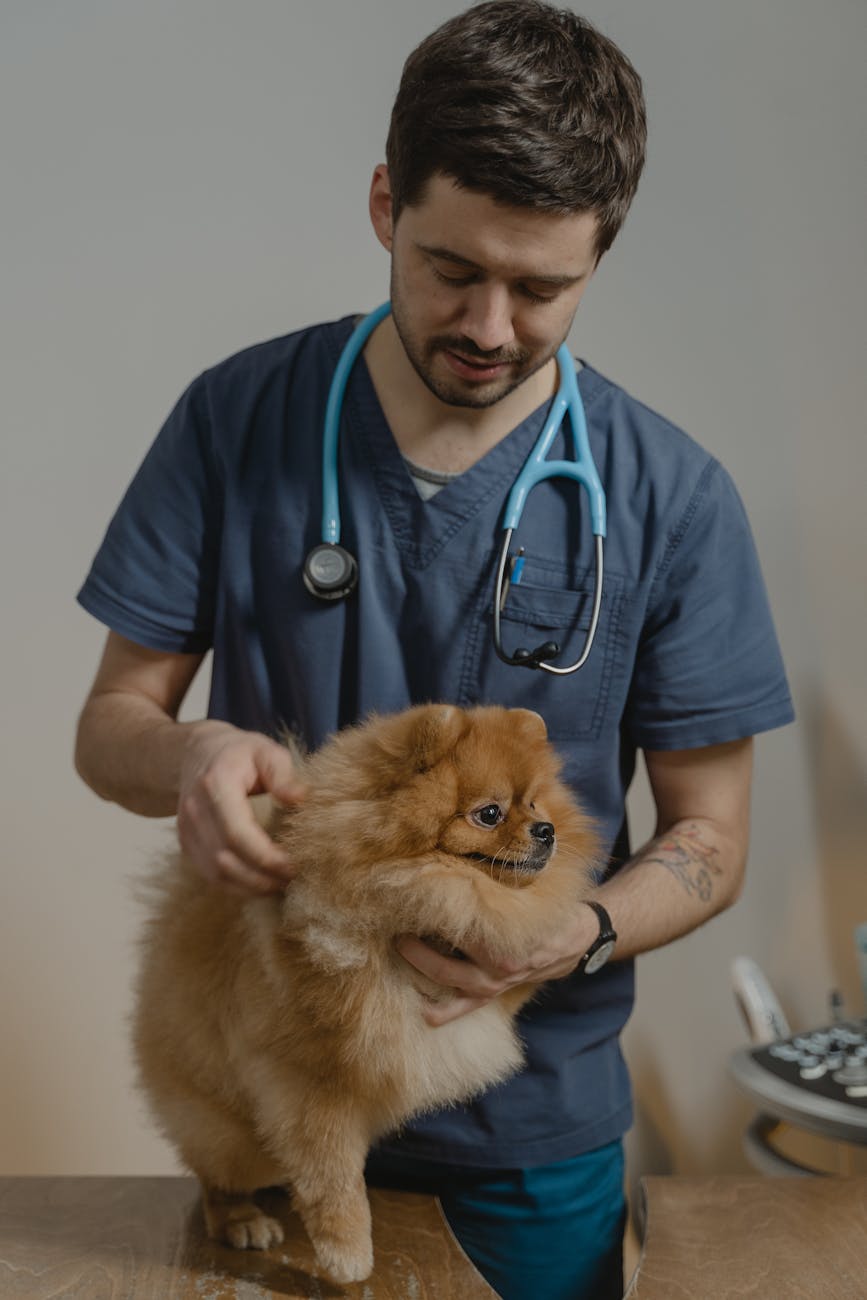
Great Danes are predisposed to specific health conditions that every owner should understand. Knowledge of common Great Dane health issues enables early detection, appropriate preventive care, and informed veterinary discussions. While not all Great Danes will experience these problems, awareness helps you provide the best possible care for your magnificent companion.
Great Danes have a shorter lifespan than smaller dog breeds, typically 7-10 years. Understanding breed-specific health concerns allows you to maximize quality of life during your Great Dane’s years. Early intervention often prevents progression of conditions that would otherwise dramatically impact your dog’s wellbeing.
Hip and Elbow Dysplasia in Great Danes
Hip dysplasia is one of the most common orthopedic problems in Great Danes. This condition develops when the hip joint’s ball and socket don’t fit properly, causing cartilage deterioration, pain, and eventually arthritis. Hip dysplasia has genetic components, but improper nutrition during puppyhood and rapid growth exacerbate the problem.
Signs of hip dysplasia include limping, difficulty rising after rest, reluctance to climb stairs, and reduced activity. Younger dogs may show subtle signs like one rear leg appearing to slip sideways when walking. Older dogs often develop arthritis secondary to dysplasia.
Diagnosis requires x-rays taken under anesthesia for proper positioning. The Orthopedic Foundation for Animals (OFA) provides hip grading at 24 months of age. Reputable breeders screen breeding dogs and discuss results with potential owners. If your Great Dane shows signs of hip dysplasia, your veterinarian can recommend treatment ranging from conservative management with pain control to surgical intervention for severe cases.
Elbow dysplasia similarly affects the elbow joint and causes pain and lameness. Signs include forelimb lameness, particularly worse after exercise or rest. Elbow dysplasia is less common than hip dysplasia but often more severe. OFA screening is available for elbow dysplasia as well.
Prevention focuses on responsible breeding (using only screening-tested dogs) and appropriate nutrition and exercise during puppyhood. Maintain ideal body weight, provide joint-supporting supplements if recommended, and avoid excessive exercise on hard surfaces during growth years.
Dilated Cardiomyopathy (DCM)
Dilated cardiomyopathy is a serious heart condition that causes the heart chambers to enlarge and heart function to deteriorate. DCM is relatively common in Great Danes and can lead to heart failure and death if undetected. Symptoms include lethargy, reduced exercise tolerance, coughing, difficulty breathing, and collapse.
Some dogs with DCM show no symptoms until sudden collapse or heart failure. For this reason, cardiac screening is recommended for Great Danes. An echocardiogram (ultrasound of the heart) can detect changes before symptoms develop. Some cardiologists recommend screening beginning around age 4, though earlier screening may be advisable for individuals from high-risk lines.
If your Great Dane is diagnosed with DCM, medications can help manage the condition and extend survival time. ACE inhibitors, beta-blockers, diuretics, and other cardiac medications slow disease progression. However, even with treatment, the prognosis is guarded, and life expectancy is shortened.
Responsible breeders screen breeding dogs for DCM and discuss family history with prospective owners. Ask your breeder specifically about cardiac screening results for both parents. If your Great Dane is diagnosed with DCM, inform your breeder to help identify genetic factors.
Bloat (Gastric Dilation Volvulus)
Bloat is a life-threatening emergency where the stomach fills with gas and potentially twists. Without immediate surgical intervention, bloat is fatal. Great Danes are among the breeds at highest risk, possibly because of their deep, narrow chests. Any Great Dane owner must recognize bloat symptoms and understand it’s always an emergency.
Signs of bloat include abdominal distension, restlessness, unproductive vomiting (retching without bringing anything up), excessive drooling, and anxious behavior. The stomach may twist, restricting blood flow to tissues and causing rapidly deteriorating shock. Dogs in bloat appear acutely ill and require immediate emergency surgery.
Risk factors include rapid eating, eating large meals, feeding immediately before or after exercise, eating high-fat foods, and stress. While diet composition affects bloat risk slightly, no diet completely prevents bloat. Feeding two meals daily rather than one, using slow-feeder bowls, and avoiding exercise immediately after meals reduce risk.
Some breeders recommend prophylactic gastropexy (surgical stabilization of the stomach) in Great Dane puppies. This procedure, performed during spay/neuter surgery, prevents the stomach from twisting. Discuss gastropexy with your veterinarian to understand whether it’s appropriate for your dog.
Any sign of bloat requires immediate emergency veterinary care. Don’t delay or attempt home treatment. The mortality rate for bloat even with surgery is high, making prevention and early recognition absolutely critical.
Bone and Joint Problems
Great Danes’ large size stresses their skeletal system. Bone tumors (osteosarcoma) occur in Great Danes at higher rates than smaller breeds, typically affecting the long bones of limbs. Signs include lameness and swelling. Treatment usually involves amputation and chemotherapy, though long-term prognosis remains poor.
Arthritis develops earlier in Great Danes than smaller dogs due to the stress of supporting their massive weight. Maintaining ideal body weight is the single most important factor in preventing or delaying arthritis. Extra pounds force joints to work harder and deteriorate faster.
Hypertrophic osteodystrophy (HOD) is a developmental condition affecting growing puppies. Signs include fever, swollen painful joints, reluctance to walk, and lameness. HOD is self-limiting in many cases but requires veterinary monitoring and pain management. Proper nutrition during puppyhood may reduce severity.
Other Common Great Dane Health Issues
Allergies are common in Great Danes, manifesting as skin problems, ear infections, or digestive issues. Allergies may be food-related or environmental. Work with your veterinarian to identify allergens and minimize exposure. Dietary management, supplements, and occasionally medications help manage allergies.
Hypothyroidism (underactive thyroid) causes weight gain, lethargy, and coat problems. This condition is more common in Great Danes than many breeds. A simple blood test diagnoses hypothyroidism, and daily medication manages it effectively.
Sebaceous adenitis is an inflammatory skin condition causing hair loss and scaly, crusty skin. While not life-threatening, it significantly impacts quality of life. Treatment includes medicated baths, supplements, and sometimes anti-inflammatory medications.
Great Danes are prone to ear infections due to their floppy ears. Regular ear cleaning and prompt treatment of infections prevent chronic problems. If your Great Dane frequently shakes their head or scratches their ears, have your veterinarian examine them.
Preventive Care and Health Screening
Establish a relationship with a veterinarian familiar with Great Dane health concerns. Schedule annual wellness exams to catch emerging problems early. Discuss breed-specific health screening recommendations specific to your dog’s age and risk factors.
Request that your veterinarian perform body condition scoring at each visit. Regular monitoring prevents obesity, which exacerbates many health problems. Maintain appropriate weight through controlled portions and regular exercise appropriate for your dog’s age and health status.
Consider preventive supplementation after consulting your veterinarian. Glucosamine and chondroitin may support joint health, while omega-3 fatty acids benefit heart and coat health. However, unnecessary supplementation serves no purpose, so discuss which supplements are appropriate for your individual dog.
Maintain detailed health records documenting any health issues, veterinary visits, and screening results. This information becomes valuable when making breeding decisions or tracking changes over time.
When to Seek Emergency Care
Certain symptoms always warrant immediate emergency veterinary care. Signs of bloat (abdominal distension, restlessness, unproductive vomiting) require immediate emergency surgery. Collapse, severe breathing difficulty, pale gums, or signs of shock indicate emergencies.
Inability to urinate or defecate, severe injuries, uncontrolled bleeding, suspected poison ingestion, and severe vomiting or diarrhea all require emergency evaluation. When in doubt, contact your emergency veterinarian—it’s better to be safe than risk missing a critical problem.
FAQ
Q: What’s the average lifespan of a Great Dane?
A: Most Great Danes live 7-10 years, shorter than many dog breeds. Some individuals live into their early teens, but this is less common. Proper care, preventive screening, and early intervention for health issues maximize lifespan.
Q: Should I have my Great Dane screened for heart disease?
A: Ask your veterinarian about cardiac screening recommendations. Many cardiologists suggest baseline echocardiography around age four, with follow-up screening every 1-3 years depending on initial findings and breed risk factors.
Q: Can bloat be prevented completely?
A: No diet or management strategy completely prevents bloat. You can only reduce risk through feeding practices, slow-feeder bowls, and avoiding exercise immediately after meals. Any sign of bloat requires immediate emergency surgery.
 Lake Shore Great Dane Club Blog
Leave a comment