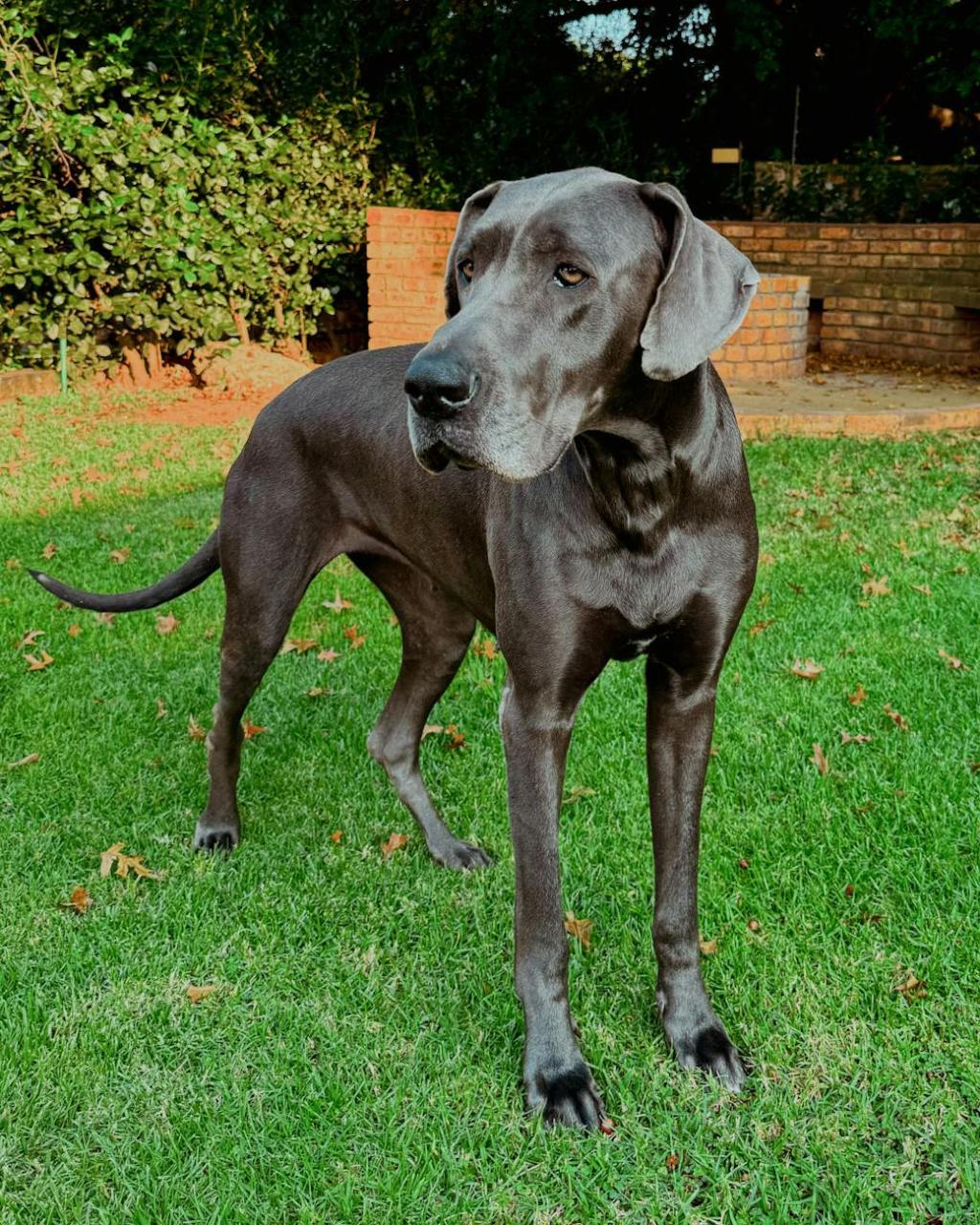
Selecting a reputable Great Dane breeder is one of the most important decisions you’ll make as a Great Dane owner. A quality breeder produces healthier puppies with better temperaments, while poorly-selected breeders perpetuate genetic problems and behavioral issues. This comprehensive guide helps you identify responsible breeders and avoid problematic breeding programs.
The difference between puppies from responsible breeders and those from careless or profit-motivated operations is dramatic. Responsible breeders invest years developing their lines, performing health screening, and prioritizing breed quality over profit. Puppies from quality breeders have significantly better health outcomes and temperament than those from irresponsible sources.
What Makes a Great Dane Breeder Responsible
Responsible Great Dane breeders participate in breed clubs, adhere to breed standards, perform genetic health screening on breeding dogs, and genuinely care about individual puppies’ welfare. These breeders view puppy placement as a lifelong relationship, not a transaction.
Responsible breeders screen breeding dogs thoroughly before reproducing them. They obtain OFA (Orthopedic Foundation for Animals) certifications for hip and elbow dysplasia, perform cardiac evaluations through echocardiography, and assess temperament carefully. They avoid breeding dogs with health problems or those with known health issues in their pedigrees.
Responsible breeders maintain detailed records of all dogs in their program and are transparent about results. If a puppy develops problems, they take responsibility and provide support. They often offer health guarantees ensuring puppies are free from genetic defects at time of purchase, though guarantees vary.
These breeders breed infrequently—usually only one or two litters every few years. They carefully plan each breeding to improve the breed, not simply to produce puppies. They often have waiting lists of carefully-screened families seeking their puppies.
Red Flags When Evaluating Breeders
Avoid breeders who breed frequently, have multiple litters constantly available, or don’t seem selective about where puppies go. Frequent breeding exhausts breeding dogs and indicates profit motive rather than breed improvement.
Breeders unwilling to discuss health screening, genetic problems, or honest health assessments are major red flags. If a breeder claims their lines never develop health problems, that’s a lie—all breeds have genetic predispositions. Responsible breeders address this honestly.
Breeders who won’t let you meet parents, visit the facility, or meet littermates are concerning. You should meet at minimum the mother and ideally the father if available. Visiting the facility reveals how puppies are raised and dogs are housed.
Breeders pricing puppies far below average for the region, offering “rare” colors, or making exaggerated claims about their dogs’ abilities are red flags. Quality breeding requires investment; suspiciously low prices usually indicate problems.
Breeders who don’t ask you questions, don’t seem to care about your living situation, or will sell to anyone willing to pay are problematic. Responsible breeders carefully screen families and often have lengthy applications to ensure good matches.
Health Screening Requirements
Reputable Great Dane breeders perform comprehensive health screening before breeding any dog. Understanding required testing helps you evaluate breeders and understand your puppy’s health background.
Hip and elbow dysplasia screening through OFA is standard for large breed dogs. OFA takes x-rays at 24 months of age and grades hips and elbows. Request OFA certifications for both parents; breeders should freely provide this information. OFA numbers are publicly verifiable on the OFA website.
Cardiac screening is essential for Great Danes due to dilated cardiomyopathy prevalence. A veterinary cardiologist performs echocardiography to assess heart structure and function. Some breeders obtain baseline screening and periodic follow-ups. Request cardiac screening results specifically.
Eye examinations by veterinary ophthalmologists (CERF certification) are important for screening hereditary eye diseases. While less common in Great Danes than some breeds, eye problems do occur and responsible breeders screen for them.
Genetic testing for breed-specific concerns is evolving. Ask breeders about genetic testing availability and whether they’ve utilized molecular testing. As genetic markers for Great Dane concerns are identified, responsible breeders will adopt testing.
Request detailed pedigree information revealing any health issues in the extended family. Health problems clustering in pedigrees suggest genetic predisposition. Reputable breeders freely discuss this information and how they address known genetic issues.
Questions to Ask Potential Breeders
Ask breeders specific questions about their health screening philosophy: What testing do they perform? How frequently? What were the results for both parents? How do they define “normal” or “excellent” results?
Question breeders about genetic problems in their lines: Have any of their dogs or offspring developed hip dysplasia, heart disease, bone cancer, or other health issues? How did they respond to these problems? Do they track offspring health?
Ask about temperament: How do they select for temperament? What measures do they take to ensure good family fits? Do they have return policies if a puppy doesn’t work out?
Inquire about guarantees: What health guarantees do they offer? For how long? What conditions are covered? What happens if a genetic problem develops?
Ask about their breeding philosophy: Why did they breed this particular litter? How many litters do they plan annually? How long have they been breeding? What breed organization memberships do they maintain?
Ask about lifetime support: What support do they provide after puppy placement? Will they help if problems develop? What’s their return policy if the puppy doesn’t work out? Many responsible breeders take puppies back at any point in their lives if situations change.
Finding Breeders and Verifying Credentials
Start your search with the American Kennel Club (AKC) breed club website for Great Danes. The AKC Parent Club maintains lists of responsible breeders who have committed to following a breed code of ethics. These listings provide a starting point, though listing doesn’t guarantee quality.
Ask veterinarians, trainers, and other Great Dane owners for breeder recommendations. People familiar with local Great Dane populations often know reputable breeders. Word-of-mouth from satisfied puppy owners is valuable.
Attend AKC dog shows and visit Great Dane booths. Talk with breeders, judges, and owners. Dog shows provide opportunities to see quality Great Danes and meet breeders who care enough to show their dogs.
Research breeders thoroughly on the internet, but remember that social media presence doesn’t indicate quality. A beautiful website doesn’t guarantee responsible breeding. Conversely, some excellent breeders maintain minimal online presence.
Verify credentials independently. Check OFA certification numbers on the OFA website. Contact your local veterinary medical association to confirm veterinary credentials if breeders claim veterinary qualifications. Contact the AKC to verify registrations.
Evaluating Breeding Facilities
Visit breeder facilities if possible. Clean, well-maintained facilities indicate care for breeding dogs. Dogs should have adequate space, appropriate shelter, and evidence of socialization with people.
Observe breeding dogs. They should appear healthy, in good weight, with clear eyes and glossy coats. Their temperaments should reflect Great Dane standards: friendly, confident, and gentle. Nervous, aggressive, or overly dominant dogs shouldn’t be bred.
Examine puppy socialization practices. Quality breeders begin socialization early, exposing puppies to varied people, sounds, and surfaces. Puppies raised in a kitchen or living room typically show better socialization than those isolated in kennels.
Assess your comfort level with the breeder personally. You’ll develop an ongoing relationship; you should feel respected and supported. Breeders who seem to view you as a customer rather than a partner in puppy placement are concerning.
Evaluating Puppy Temperament and Selection
Ask breeders how they match puppies to families. Do they observe individual temperaments? Do they make selections based on family needs, or do owners choose randomly? Quality breeders make informed matches between temperament and family situation.
Request information about individual puppies: their personalities, energy levels, and predicted size. While 8-week-old puppies are similar, quality breeders observe individual traits and can discuss predictions about mature temperament.
Ask about meet-and-greet visits before final decisions. Good breeders encourage families to visit and interact with puppies before commitment. This allows personality assessment and relationship beginning.
Understand health guarantees at the time of purchase. Puppies should receive veterinary examinations confirming health. Request copies of health records for your puppy and parents.
After You Bring Your Puppy Home
Maintain communication with your breeder throughout your puppy’s life. Share updates, ask questions, and report health issues or behavioral concerns. Responsible breeders want to know how their puppies develop and will provide support.
If serious health or behavioral problems develop, inform your breeder immediately. They may offer insights or support based on their knowledge of genetics and training. Many breeders will help troubleshoot problems.
Understand that buying from a responsible breeder involves higher costs but provides tremendous value. Higher prices reflect investment in health screening, quality care, socialization, and lifetime support.
FAQ
Q: How much should I expect to pay for a Great Dane puppy from a responsible breeder?
A: Quality Great Dane puppies typically cost $1,500-3,500, with some lines commanding higher prices. Lower prices often indicate less rigorous health screening or lower-quality care. Higher prices reflect extensive health screening, careful breeding planning, and ongoing support.
Q: What if I cannot afford a puppy from a responsible breeder?
A: Consider rescue organizations specifically for Great Danes. Many wonderful dogs need homes and adoption costs are significantly lower. You’ll also find older puppies or young adults already partially trained.
Q: Should I ever consider purchasing from pet stores or online sellers?
A: Absolutely not. Pet store puppies almost always come from puppy mills with poor breeding practices and inadequate health screening. Online sellers are often puppy mill operators. These sources perpetuate genetic problems and support cruel breeding practices.
 Lake Shore Great Dane Club Blog
Leave a comment